By: Kelly Feehan, Extension Educator
Release: Week of March 3, 2025
We’ve been experiencing fairly warm temperatures and may be looking forward to being outdoors, but don’t start too early on yard and garden spring work. There are benefits to waiting, especially for plants. It’s not only air temperature we need to pay attention to but soil temperature and plant hardiness as well.
March kicks off the pruning season for shade trees and hardy fruit trees. For less hardy fruit trees, it’s best to wait or risk some cold temperature injury. With fruit trees, start pruning the hardiest first and wait until late March into April to prune less-hardy trees. Following are fruit trees listed in order of hardiness. Pear, apple, apricot, tart cherry, sweet cherry, plum, peach and nectarine.
As mentioned in last week’s article, March is a little early to prune evergreens. For spruce, fir, Japanese yew and Arborvitae, wait until just before new growth begins which is usually May, making April or early May a better time to prune. Pines are typically pruned during candling in May and June. As also mentioned last week, most evergreen trees do not need to be pruned at all. Plant them where they have space to grow and let them grow naturally. Shearing leads to a dense shell of green needles over a bare center.
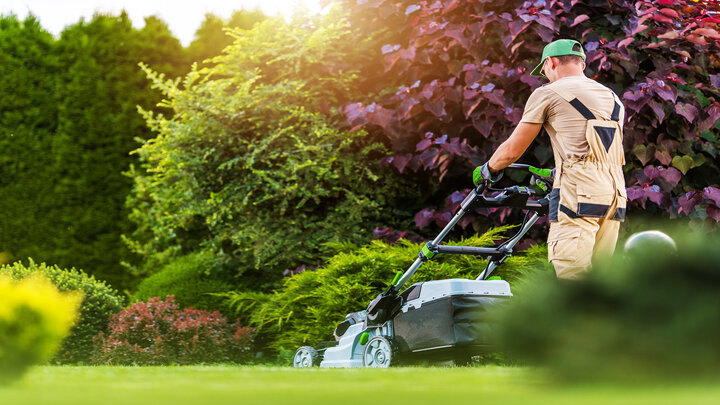
Even if we have a very warm March, allow turfgrass to come out of dormancy naturally and begin growth before starting most lawn care practices, like mowing. Lawns do not need to be mowed low in spring or while dormant to encourage green up. Waiting until grass has greened up and requires mowing to a three inch height is better for turfgrass vigor as it indicates soil temperatures are warm enough to support root function.
For lawn fertilization, a good window to aim for is late April into early May for do-it-yourselfers. If fertilizer is applied too early, when soil temperatures are cold or plants still dormant, nitrogen is more likely to be lost to leaching or top growth forced at the expense of roots, weakening plants.
If applying a preemergence herbicide along with fertilizer, such as for crabgrass, waiting is best. The herbicide will then remain active for most of the crabgrass germination period. The majority of crabgrass seed only begins germination in May and continues through June or longer. Many preemergence herbicides are effective for 6 to 8 weeks or less.
Shade trees and shrubs have one growth period in spring and many Nebraska soils are fertile enough for them. Trees and shrubs should not be given additional nitrogen fertilizer if growing in fertilized lawns. They already receive more than needed from turf fertilizer which leads to issues like insect attack.
Wait to cut back herbaceous plants, those whose tops die over winter like ornamental grasses and flowering perennials. Hold off on removing winter mulch from protected plants like strawberries and tender perennials until just before or as new growth begins.
Chances are good we’ll still experience temperatures cold enough to damage spring growth. Cutting back tops and removing mulch exposes plant crowns to sunlight and warm air temperatures which may cause plants to break dormancy earlier than ideal. Leaving mulch and dead plant tops in place as long as possible not only delays plants coming out of dormancy, it protects plant crowns from late winter drying due to a lack of snow or rain and protects overwintering pollinators.
While we might be anxious to do yard work or see new spring growth, allow plants to come out of dormancy on their own which is often when soil temperatures are warming as well as air temperatures. For lawn and garden plants, patience in spring is a virtue.