
Content
The Nutrition Education Program (NEP) helps families on a limited budget improve the quality of their diet and become more physically active. NEP participants acquire the knowledge, skills, attitudes, and behavior changes necessary to improve their health. NEP is free to all participants who meet income guidelines. Check out our flyer for more information!
Youth Education
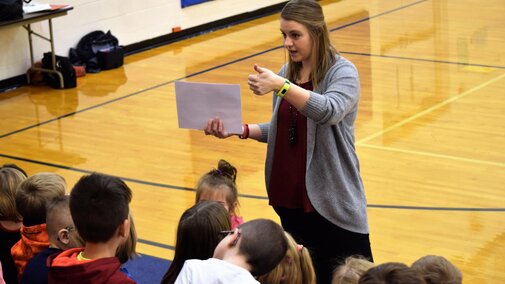
Youth classes take place at a variety of community sites including schools, childcare centers, afterschool programs, and summer youth camps. The youth learn about nutrition using MyPlate, food preparation and food safety. A nutrition education session typically contains four main components - a nutrition lesson, physical activity time, preparing a recipe and taste-tasting. We use a variety evidence-based curriculum for elementary, middle-school and high school aged youth.
Adult Education
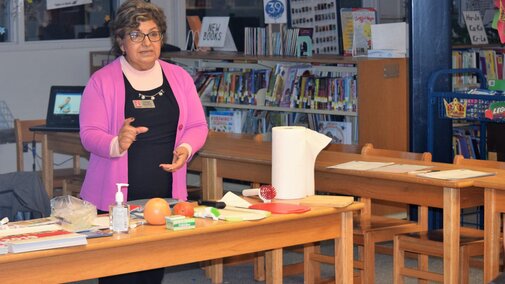
Adults are taught individually or in small groups at agency or community sites. Each lesson includes hands-on learning activities to help participants apply what they've learned in class. Lessons include the basics of nutrition, planning meals, making a food budget, reading food labels, eating a balanced diet by following the USDA MyPlate recommendations, and more. When participants complete the seven lessons, they receive a certificate and an NEP enhancement item such as a cookbook.
Community-Based Approaches
- Go Nutrition and Physical Activity Self-Assessment for Child Care (NAP SACC) is an evidence-based program for improving the health of young children through better nutrition and physical activity in early care and education programs. Go NAP SACC walks child care providers through a 5-step process to make healthy changes to their program.
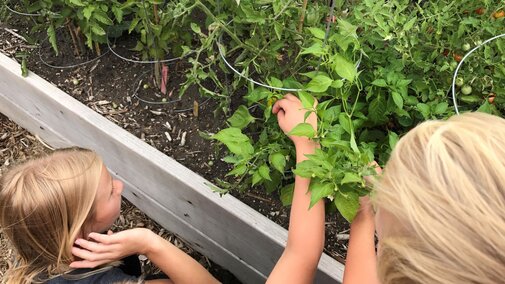
- School and Community Gardens provide a platform for nutrition and physical activity education. We have also utilized Extension Master Gardeners to develop a donation garden where all of the produce is donated to local families in need.
- For more information: Nutrition Education Program
- For questions, contact Cami Wells at (308) 385-5088 or cami.wells@unl.edu.