Our website is under construction! If you are having trouble accessing for finding information, call 402-987-2140 and ask for Tammy!
Feature stories/news

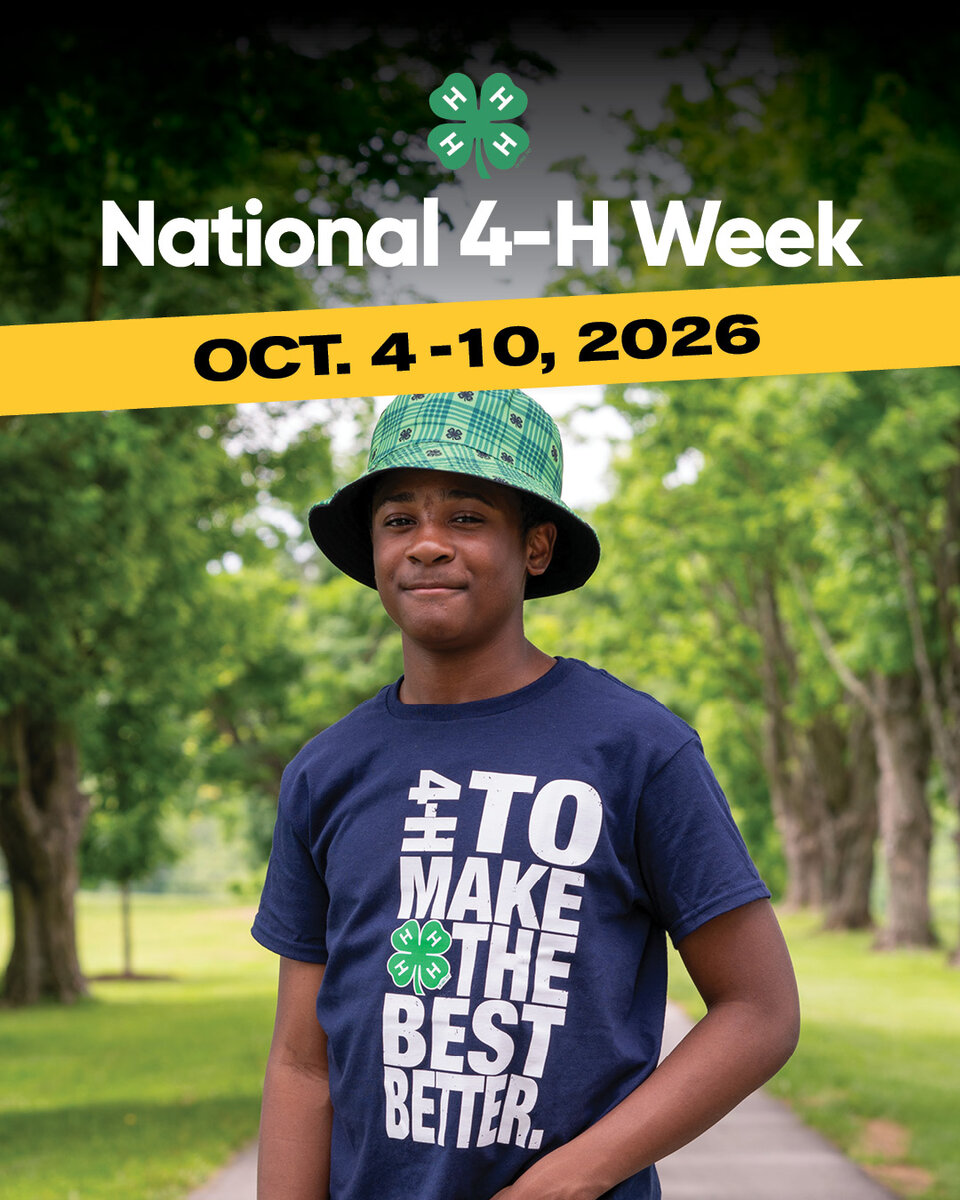
National 4-H Week 2026
Nebraska 4-H is excited to join youth, volunteers, and professionals from across the country to celebrate the 2026 National 4-H Week, to be observed the week of October 4-10, 2026!
The purpose of National 4-H Week is to rally, inspire and connect 6 million 4-H’ers, 3,500 educators, 500,000 volunteers and 35 million alumni. During National 4-H Week in Nebraska, we will celebrate and amplify the 4-H mission: preparing youth to be Beyond Ready for life and career.
Day 1: Go Green — Monday, October 5, 2026
On Monday of National 4-H Week, Go GREEN and show your 4-H State spirit! A simple, cohesive way for youth, professionals, volunteers, alumni and supporters across the country to celebrate their 4-H programs being Beyond Ready. Wear a green hat, clothing, face paint — anything green goes. Let’s paint the nation GREEN on Monday, October 5th! And share your ‘Go Green’ moment on social and tag National 4-H, Nebraska 4-H, and use #4HBeyondReady #National4HWeek.
Day 2: Thankful Thursday — Thursday, October 8, 2026
On Thursday of National 4-H Week, help us shine a light on all the mentors, educators, and volunteers who are making positive impact on young people’s lives in 4-H. Share who you’re thankful for and celebrate how they are making a difference on Thursday, October 8! Share your ’Thankful’ story on social, tag others in your 4-H community, tag National 4-H, and use #4HBeyondReady #National4HWeek.
Tri State Early Childhood Retreat
2026 Tri State Early Childhood Retreat
Mondo Method: Transforming stress and behavior through neuroscience
- Understand the Brain Manage Stress Change Behavior
Key Topics
- Child Behavioral challenges - Disciplinary alternatives - Effective conflict resolution - Child well-being - Adult well-being - Adult stress
Featured speaker: Dr. Alexa Yunes-Koch - Stress & Behavior Specialists
Saturday, October 3rd, 2026 Ponca State Park 88090 Spur E/ Visitor Center/Ponca, NE
8:30AM - 1:15PM
$30 per participant (non-refundable) Registration deadline September 25th.
Limited to the First 50 professionals.
register at: https://go.unl.edu/tristate2026

Earn 4 Professional Development Hours!
Cost Only $30 due to Generous Sponsors
Registration Deadline September 25th.

Want to get the most value from your hay? Testing is the first step. Contact your local Extension office to borrow a hay probe and get started: https://beef.unl.edu/beefwatch/do-your-herd-and-your-bank-account-favor-test-your-hay/

- BeefWatch is your trusted source for timely, research-based insights for Nebraska’s Beef Industry. Subscribe to the BeefWatch e-newsletter at https://go.unl.edu/beefwatch-subscribe.

- Make more informed feed purchasing decisions with Nebraska Extension's Feed Cost Cow-Q-Lator. This Excel-based tool helps producers compare feed options to determine the best buy: https://beef.unl.edu/make-informed-feed-purchasing-decisions-using-feed-cost-cow-q-lator/
Food Safety
Washing Produce
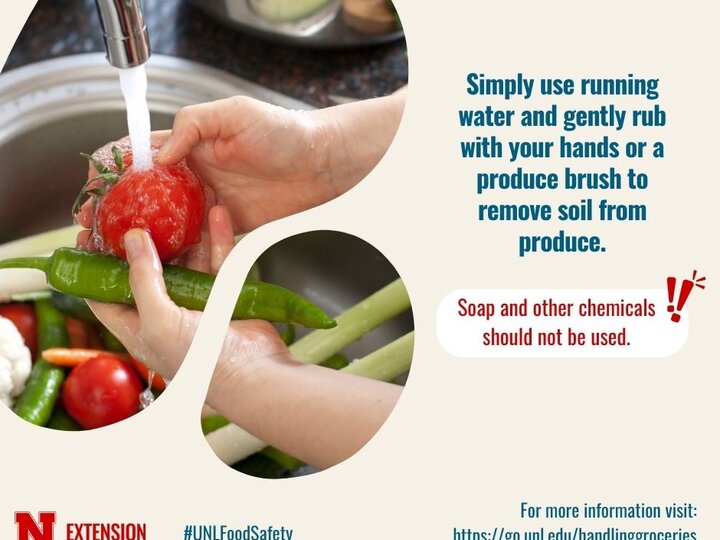
While concerns about contamination are understandable, we shouldn't let fear keep fresh produce off our plates. Fruits and vegetables are vital to a healthy daily diet; instead of avoiding them, we simply need to practice safe handling and proper washing. Fresh produce may become contaminated with dirt and bacteria at any point during its journey from farm to table. Washing produce before preparing and eating can remove bacteria that may cause foodborne illness. Using soap, bleach and other non-food grade chemicals may make you sick and is NOT recommended. For more information: https://go.unl.edu/handlinggroceries #UNLFoodSafety
Refrigerate tomatoes within two hours of cutting.
Always cover and refrigerate cut fruit and vegetables when preparing them in advance. Cut produce should be refrigerated at 40° F or less and stored away from raw meats, poultry, and fish. https://go.unl.edu/cutproduce and https://go.unl.edu/5t4z #UNLFoodSafety

Preparing Food for Game Day
Did you know over half of all foodborne illnesses come from unclean hands? 🦠 The best defense is washing your hands with soap and warm water for 20 seconds, both before and after handling food. This simple step is crucial when preparing food for others. 🧼🍽 Keep your team safe and score big on food safety this weekend! 🏈 Learn more here: https://go.unl.edu/gamedayfoodsafety #UNLFoodSafety

Game Day Food Safety
Getting ready to tackle a game day spread? 🏈 Make sure your favorite dishes are remembered for all the right reasons! 🥳 Follow these essential tips to keep food poisoning off the field. https://go.unl.edu/gamedayfoodsafety #UNLFoodSafety

Haskell Happenings
Haskell Happenings Newsletter
Stay up to date with what's happening at the Haskell Ag Lab by subscribing to our e-newsletter!
Find our latest edition here: https://hal.unl.edu/haskell-happenings-newsletter/


