
Nebraska Extension Educator - Holt & Boyd Counties - LaDonna Werth
Nebraska Extension Educator - Holt & Boyd Counties - Amy Timmerman
Nebraska Extension Educator - Holt, Boyd, Garfield, Loup, & Wheeler Counties - Bethany Johnston
Nebraska Extension Educator - Brown, Rock, & Keya Paha Counties - Brittany Spieker
Nebraska 4-H Assistant - Holt & Boyd Counties - Debra Walnofer
January 26: Online Calving College, 7:30pm-8:45pm, Register for Calving College by Jan. 12, More info at Calving College Series
January 27-28: What Did It Cost to Produce: Farm and Ranch Unit Cost of Production, 9:00am-4:00pm, Burwell Legion Hall, Burwell, NE, Pre-register one week in advance by calling Holt County Extension at 402-336-2760 or email Bethany Johnston at bjohnston3@unl.edu
January 28: Recertification Pesticide Training, 8:30am-5:00pm, Holt County Extension, O’Neill, NE
January 29: Recertification Pesticide Training, 1:00-4:00pm, Bloomfield Community Center, Bloomfield, NE
February 1: DUE: Holt County 4-H Council High School Senior Scholarship Applications
February 2: Online Calving College, 7:30pm-8:45pm, Register for Calving College by Jan. 12, More info at Calving College Series
February 3: DUE: 4-H Special Garden Project, Form to Order Special Garden Seeds by 12:00noon
February 3: DUE: 4-H Special Agronomy Project, Form to Order Special Agronomy Seeds by 12:00noon
February 5: Recertification Commercial/Noncommercial Pesticide Training, 8:30am-5:00pm, Norfolk, NE
February 9: In-Person Calving College, 7:30pm-8:45pm, Valentine, NE. Register for Calving College by Jan. 12, More info at Calving College Series
February 10: Recertification Commercial/Noncommercial Pesticide Training, 8:30am-5:00pm, Madison County Extension, Norfolk, NE
February 11: In-Person Calving College, 7:30pm-8:45pm, Valentine, NE. Register for Calving College by Jan. 12, More info at Calving College Series
R-E-S-P-E-C-T
Kindness to children, love for children, goodness to children – these are the only investments that never fail
-Henry David Thoreau
Rebecca Eanes, author of Positive Parenting: An Essential Guide, writes, "The major problems we face in society from crime to racism stem from a lack of respect and kindness to our fellow human beings, and if we continue to grow children with disrespect, this will never change. When we set the standard so low in those early years for how young and vulnerable humans should be treated, we can’t expect humanity to rise above those standards. The cycle of disrespect just keeps repeating." She explains that children feel our respect by how we "respond when they cry, correct them when they make a mistake, hold them through their fears…Peace on earth begins in how we treat the littlest humans today."
Source: "Kids are People, Too – Treating Children with Kindness and Respect,” Rebecca Eanes (Creativechild.com - November 2, 2017)
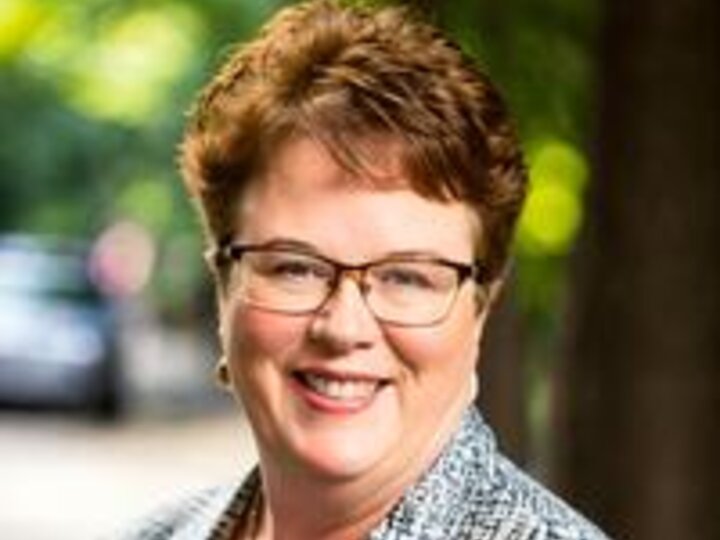
LaDonna Werth
Extension Educator
Phone: 402-336-2760
E-mail: lwerth2@unl.edu
Closing the Loop: The Soil Health Cycle and the Future of Sustainable Agriculture
Recently published in Science Societies' Crop Science, Soil Science, Agronomy news, "Closing the Loop: The Soil Health Cycle and the Future of Sustainable Agriculture" presents the Soil Health Cycle (SHC) as a framework for understanding how soil health develops through a continuous feedback loop between management decisions, soil properties, and outcomes. Rather than viewing soil health as a static condition, the SHC emphasizes it as a dynamic, long-term process shaped by both biophysical and human factors.
A central message of the article is the complex nature of health, be it soil or human, when it comes to execution, despite widespread consensus on the need for it. Improvements in soil health often occur slowly, making long-term measurements and realistic expectations critical for sustaining producer engagement and decision-making.
To move the SHC from theory into practice, the authors highlight Nebraska-based initiatives that are integrating the SHC framework. One key effort is the Nebraska Soil Health School (SHS), a collaborative extension program led by Bijesh Maharjan, associate professor and extension soil scientist at the University of Nebraska-Lincoln (UNL). Initially launched as a statewide educational program, the SHS evolved into an “on-demand” traveling format that brings soil health expertise directly to local communities. These events emphasize peer-to-peer learning, hands-on demonstrations, and producer-driven discussions on both agronomic and economic considerations.
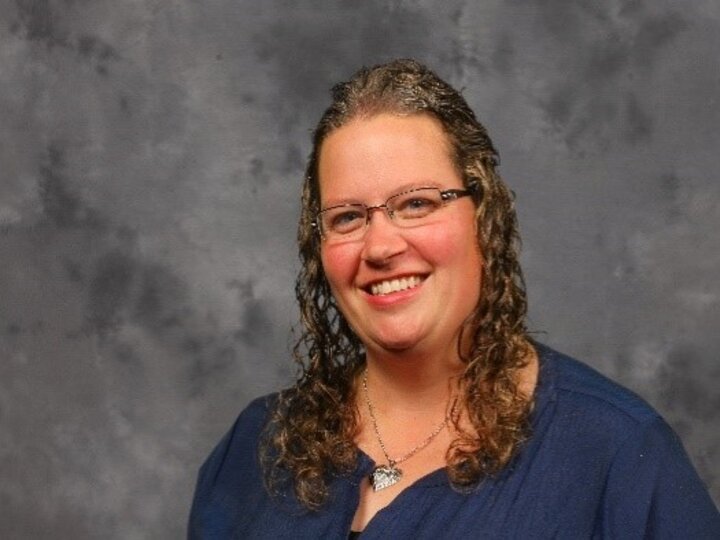
Amy Timmerman
Extension Educator
Phone: 402-336-2760
E-mail: atimmerman2@unl.edu
The article also details the formation of the Nebraska Soil Health Coalition (NSHC), an independent nonprofit organization designed to foster producer networks and community-based learning. The coalition uses a three-pronged approach that includes producer learning communities, demonstration-education clusters and stakeholder visioning groups. Its work extends beyond agronomy to explore the ROI of soil health, address social and behavioral factors influencing adoption and assimilating soil health benchmarking work with UNL and the USDA Natural Resources Conservation Service to gauge longitudinal progress.
Together, these efforts demonstrate how the SHC can be activated through education, collaboration and long-term measurement, reinforcing the idea that sustainable agriculture depends not only on science but also on strong human networks and adaptive decision-making.
Source: Nicole Heldt - Research Project Coordinator Maharjan Soils Lab, UNL PREEC, Mike McDonald - Nebraska Soil Health Coalition, Bijesh Maharjan - Extension Soil and Nutrient Management Specialist (CropWatch – January 23, 2026)
Winterizing Your Cowherd - Managing Cows Through Cold Stress
Understanding Cold Stress in Cows
Cattle are naturally adapted to cold weather, but their ability to stay warm depends on factors such as their winter coat, body condition score (BCS), nutrition, and staying dry. Managing cows properly during winter is crucial to maintaining health and productivity. Cold stress increases their energy needs, and without sufficient energy intake, this can lead to weight loss and decreased body condition.
Effects of Body Condition Score (BCS)
Body condition score, based on the cow’s external fat layer, is a critical factor in a cow’s ability to handle cold stress. A healthy cow with a body condition score of 5 (on a scale from 1 to 9) has a good layer of fat that helps insulate her body and reduce the amount of energy needed to stay warm. In such cows, the lower critical temperature (LCT) - the temperature at which they begin to use extra energy to maintain body heat - is around 19°F, when they have a dry, thick winter coat. Cows in good condition can handle cold temperatures without needing additional energy supplementation until the wind chill falls below their lower critical temperature (LCT).
Since cows will lose weight due to winter conditions on low quality feeds, producers may consider adding extra external fat to cows in the fall, to achieve body condition scores 5.5 or 6. If cold or blizzard conditions happen, cows can lose one full condition score in two weeks. By starting with “fleshier” cows in BCS 5.5 or 6, producers can avoid cows turning thin (BCS 4).
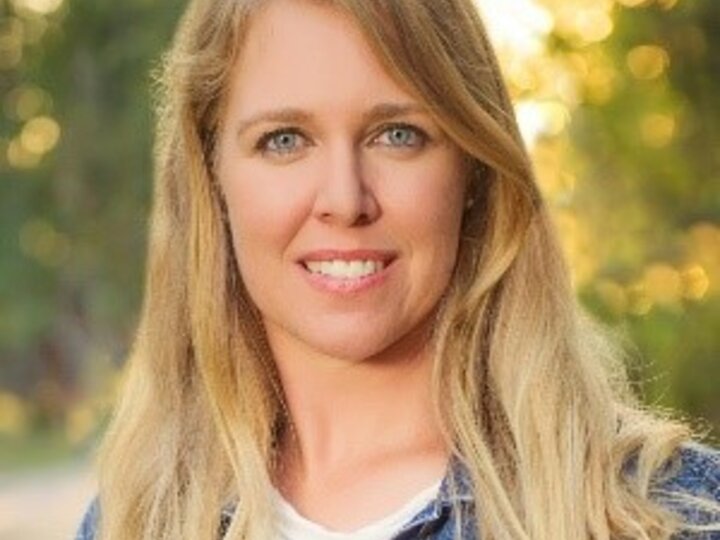
Bethany Johnston
Extension Educator
Phone: 402-336-2760
E-mail: bjohnston3@unl.edu
The lower critical temperature (LCT) changes depending on the cow’s body condition and the weather conditions. A thin cow (body condition score of 4) has a higher LCT of about 27°F, meaning she will need to start using additional energy to stay warm at higher temperatures than a well-conditioned cow. If thin cows are exposed to cold weather, they will lose body condition more quickly and may not have enough stored fat to keep them warm. This can be particularly problematic during late gestation or calving, as cows in poor condition may give birth to weaker calves, or face difficulties during the breeding season.
The fall of 2024 has been relatively mild in Nebraska, but winter storms are due to sweep across the Plains. Due to the unseasonably warm weather this fall, cows may also have lighter hair coats. This makes managing cattle even more important, as cows might already be in thin condition due to drought-related pasture shortages. A thin cow with a body condition score of 4, for example, could require 8% more energy than a cow in good condition (BCS 5) just to maintain body temperature at 21°F. Consider feeding thin cows slightly more energy to gain condition during the fall to early winter, so that they have less energy needs during the rest of the winter.
Wet Hair
Wet hair significantly increases the lower critical temperature (LCT), raising the critical temperature to 53°F for a cow in good condition. In wet winters, especially with freezing rain, maintaining body condition becomes challenging as cows expend extra energy to stay warm.
Source: Bethany Johnston, Nebraska Extension Educator, Karla Wilke, Nebraska Extension Cow/Calf Systems and Stocker Management Specialist, Mary Drewnoski, Nebraska Extension Beef Systems Specialist (UNL Beef – January 22, 2025)
News Release
Unit Cost of Production Workshops
The Nebraska Extension will host Unit Cost of Production workshops in central Nebraska in December and January to provide hands-on learning experiences for producers in calculating the unit cost of production for a cow-calf operation.
Workshops will be held at two locations. Both days will run from 9am-4:00pm CT.
- The first workshop will be held on Dec. 8 and 9 at Community Center (small room) in Atkinson.
- The second workshop will be on Jan. 27 and 28 at the Legion Hall in Burwell.
Pre-register one week in advance. Call the Nebraska Extension office in Holt County at 402-336-2760 or email Bethany Johnston at bjohnston3@unl.edu.
Each location is limited to 25 people. The cost is $50 per participant and includes meals and materials for both days. Contact Aaron Berger at 308-235-3122 with questions about the workshops.
“Having information to make effective business decisions is important for ranch success. Enterprise analysis and unit cost of production (UCOP) are tools that can help ranchers identify where value is being created on the ranch, where costs are occurring, and what changes could be made to improve profit,” Berger said.
While it takes time to set up and calculate a UCOP, the benefits are:
- Knowing what present costs are.
- Projecting what unit cost of production will be in 2026.
- Identifying opportunities to improve profitability.
- Using information to make management and marketing decisions.
Participants in this workshop will work through a sample ranch to determine the economic profitability of four common ranch enterprises: cow-calf, stockers/breeding heifers, hay, and land. They will go through the steps of analyzing costs and calculating what it costs to produce a unit of product for each enterprise. Participants will also learn how to identify how changes could improve ranch profitability.
Again, pre-register one week in advance for both locations. Call the Nebraska Extension office in Holt County at 402-336-2760 or email Bethany Johnston at bjohnston3@unl.edu.
News Release
Calving College 2026
Following an overwhelmingly positive response last year, Nebraska Extension is pleased to bring back the Calving College series for 2026. The three-part webinar, Fundamental Knowledge for Successful Calving Season, will take place January 19, January 26, and February 2, 2026, from 7:30-8:45pm CT, and will be complemented by hands-on, in-person workshops held across four locations February 9-12, 2026. This program offers practical, research-based guidance for farmers, ranchers, and veterinary professionals working to ensure a successful calving season.
Webinar Series Topics:
- January 19, 2026 - Understanding Normal. Discussion includes stages of labor, what happens to the cow and calf during delivery, recognizing and knowing how to manage abnormal, when and how to assist delivery,
- January 26, 2026 - First 24 hours: post-calving care for cows and calves. Reviewing normal vitals for the cow and neonatal calf and recognizing and managing complications in the first hours of life, including the importance of colostrum management, and calf resuscitation techniques.
- February 2, 2026 - 48 Hours and Beyond: Keeping cow and calf healthy and thriving. Topics include nutritional requirements, common health concerns in calves, managing environmental stress in the first 2 months of life, and how to manage orphan calves.
- February 9, 2026 - Cherry County Extension, Valentine, NE. 6:00pm CST
Each webinar will be co-led by Dr. Becky Funk, DVM, Animal Health Teaching and NE Extension Specialist and Dr. Lindsay Waechter-Mead, DVM, NE Extension Livestock Educator, allowing participants to engage and ask questions in real-time.
New This Year! Participants will be eligible for BQA continuing education credits.
In-Person Workshop: The series will culminate in a hands-on workshop offered February 9-12, 2026, where participants can practice their skills using a life-sized cow and calf model. This unique opportunity will provide practical experience in a supportive environment, ensuring participants leave with confidence and competence.
Details of the Series:
- Webinar Dates: January 19, 26, February 2, 2026
- Time: 7:30-8:45pm CST
- Location: Online (link provided upon registration)
- In-Person Workshop opportunities:
- February 10, 2026 - Tripp County 4-H Center, 815 W 12th St Winner, SD 6:00pm CST
- February 11, 2026 - West Holt FFA Shop, 1000 N. Main St. Atkinson, NE 6:00pm CST
- February 12, 2026 - Northeast Community College, 801 E. Benjamin Ave. Norfolk, NE 6:00pm CST
- Registration Fee: $80 for 3-part webinar series plus one in-person workshop
- Online Registration for Calving College
- Webinar participants will receive a notebook of Nebraska Extension resources and access to the recorded webinars to view at your convenience. Participants are asked to register by January 12, 2026, to ensure resources are received before the series begins. A computer and internet connection will be needed to participate in the webinar series.
For more information about the Calving College webinar series and workshop, please contact Dr. Lindsay Waechter-Mead at 402-746-3417 or lindsay.waechter-mead@unl.edu
News Release
Nebraska Extension Launches Six-Part Webinar Series on Controlling Invasive Weeds and Pests in Pastures
Nebraska Extension will offer a six-part webinar series in February 2026 designed to equip ranchers, landowners, and natural resource professionals with the latest research and management strategies for tackling invasive weeds, woody encroachment, and pasture pests.
“Controlling Invasive Weeds & Pests in Pastures” will be held over three weeks, with webinars taking place on Mondays and Thursdays - Feb. 9, 12, 16, 19, 23 and 26 - from 6:30 to 7:45 p.m. MT (7:30 to 8:45 p.m. CT).
The series brings together Nebraska Extension specialists and the Nebraska Department of Agriculture to address several of the most pressing challenges in pasture and rangeland management.
Topics & Speakers include:
- Understanding regulations regarding pesticide application in pastures and noxious weed laws in Nebraska - Nebraska Department of Agriculture.
- Learn common invasive broadleaf weeds, herbicide options and the critical aspect of timing for control. Dr. Nevin Lawrence will discuss research results and how these apply to land managers.
- Woody encroachment on pastures is clear to see. Presenters Ben Beckman and Bethany Johnston will cover when control methods work best on cedars and troublesome shrubs.
- Invasive winter annuals like cheatgrass can wreck native range. Dr. Mitch Stephenson will discuss recent research in the Panhandle that is providing data on the effectiveness of herbicide options.
- What is that? New weeds to watch for will be the topic Gary Stone discusses early detection, and rapid response is key to control problem plants.
- Grasshopper populations can cause significant forage losses on pastures. Dave Boxler will discuss when treatment is warranted and restrictions for insecticide applications.
Registration is $75 per person and includes a mailed packet of key reference materials: the 2025 UNL Guide to Weed Management, Weeds of the Great Plains, and a booklet of NebGuides and Extension Circulars focused on invasive species. Webinars will be recorded.
Registration closes Jan. 26 to ensure participants receive their materials before the first webinar.
Those interested may register at Controlling Invasive Weeds and Pests in Pastures.
For more information, contact your local Nebraska Extension office or visit Nebraska Extension.
News Release
“Calving College” Coming to Atkinson on Feb. 11
Following an overwhelmingly positive response last year, Nebraska Extension is pleased to bring back the “Calving College” series for 2026. This program offers practical, research-based guidance for farmers, ranchers, and veterinary professionals working to ensure a successful calving season.
Local ranchers can join two ways. The first way is to sign up for 3 webinars that includes the hands-on workshop (cost is $80, sign up online). The second option is to only attend the hands-on workshop in Atkinson on Feb. 11 (cost is $20 at the door).
The hands-on, in-person workshop will be held at the West Holt FFA Ag Room, 1000 N. Main St in Atkinson, starting at 6 pm CT on February 11. Led by veterinarians, Dr. Becky Funk and Dr. Lindsay Waechter-Mead, participants can practice their skills using a life-sized cow and calf model. Participants can “see” inside the model cow, as the vets can place the calf with a leg back, backwards, etc, giving tips as participants pull the calf. This unique opportunity will provide practical experience in a supportive environment, ensuring participants leave with confidence and competence. If producers decide to only attend this workshop in Atkinson, walk-ins are welcome, and you will be charged $20 at the door.
Webinar participants will receive a notebook of Nebraska Extension resources and access to the recorded webinars to view at your convenience. A computer and internet connection will be needed to participate in the webinar series. The calving webinars will take place January 19, January 26, and February 2, 2026, from 7:30–8:45 p.m. CT, and will be complemented by hands-on, in-person workshops. For $80, you can attend the webinars and a hands-on workshop.
For more information about the Calving College webinar series and workshop, please contact Dr. Lindsay Waechter-Mead at 308-633-0158 or lindsay.waechter-mead@unl.edu, or sign up at Online Calving College Webinars .